
Author: Marián Šeliga, Head of China desk, Advisor to the Board at J&T Bank
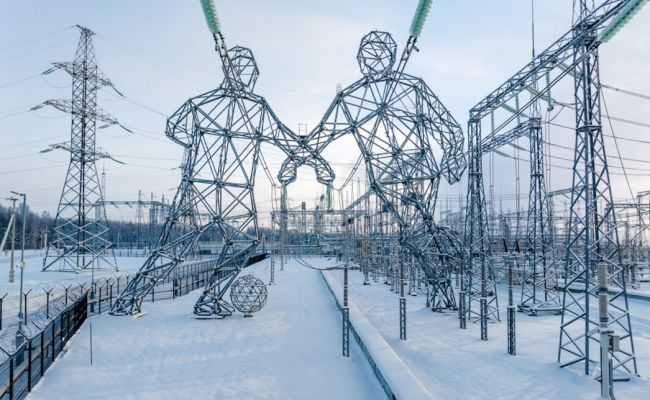
China has fully suspended electricity imports from Russia as of January 1, citing unfavorable pricing conditions. According to industry sources, even the minimum contractual volumes—around 12 MW—are no longer being purchased, and exports are unlikely to resume in 2026.
The key driver behind the decision is pricing. For the first time, Russia’s export electricity prices have exceeded domestic Chinese electricity prices, making imports economically unattractive for Beijing. Electricity in China currently costs about 350 yuan per MWh (approximately RUB 3,900), while prices in Russia’s Far Eastern power system have risen sharply due to ongoing market liberalization, reaching an estimated RUB 4,300 per MWh in early 2026—up more than 40% year-on-year.
Electricity exports were carried out by Inter RAO under a long-term contract signed in 2012 with China’s State Grid Corporation, valid through 2037. The agreement envisioned total deliveries of about 100 TWh over its lifespan, primarily from surplus hydropower generation in Russia’s Far East. While the contract remains in force, neither side is currently exercising it.
Recent data suggest that even before the suspension, the scale of this trade was relatively modest. In the first nine months of 2025, Russia supplied roughly 300 million kWh of electricity to China, valued at about $13.5 million by local estimates, reflecting both sharply reduced volumes and low unit prices.
From the Russian export perspective, deliveries to China have comprised only a single-digit percentage share of total electricity exports. In the first half of 2025, exports to China accounted for around 5–8% of Russia’s electricity export volumes, with much larger shares going to Kazakhstan and Mongolia.
Structural factors have also contributed to the halt. Electricity demand in Russia’s Far East has been growing at over 4% annually, leading to generation shortages and reducing export capacity. What was originally designed as surplus-based trade has increasingly conflicted with domestic supply priorities.
From China’s perspective, the impact is limited. The country’s installed power capacity is roughly 100 times larger than that of Russia’s Far Eastern grid, allowing it to easily substitute imported volumes with domestic generation. Historically, Russian electricity imports played a marginal and opportunistic role, particularly during periods of regional power shortages in northeastern China.
Russian authorities indicate that exports could resume if China submits a new request and mutually beneficial pricing terms are agreed. However, Moscow emphasizes that meeting the rapidly growing energy needs of the Far East remains its primary priority.
 Global News Insider