
Image: By Xinhua
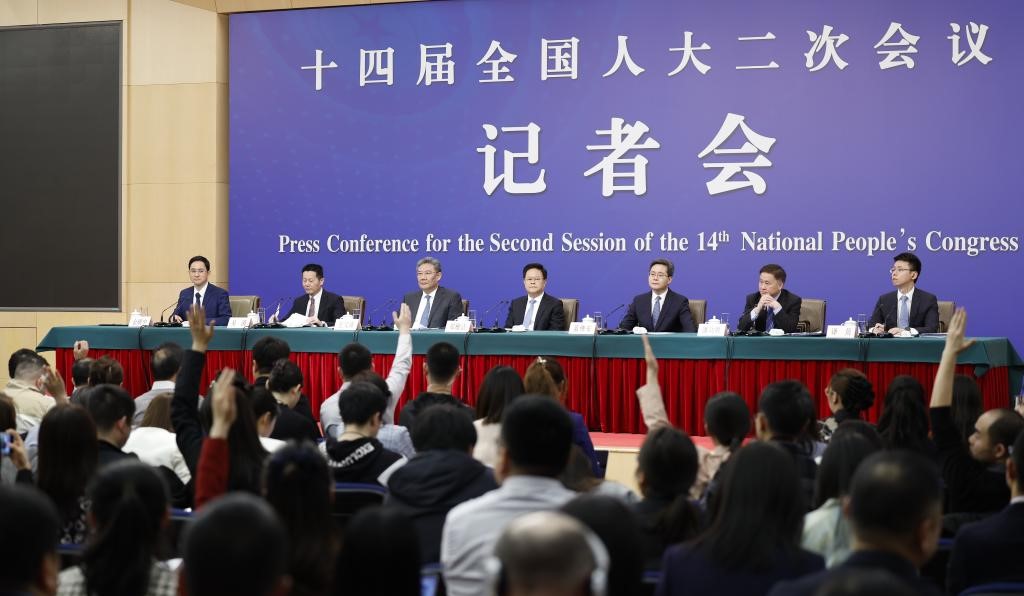
On the afternoon of March 6, the second session of the 14th National People’s Congress held an economic-themed press conference.
Director of the National Development and Reform Commission Zheng Shanjie, Minister of Finance Lan Fo’an, Minister of Commerce Wang Wentao, Governor of the People’s Bank of China Pan Gongsheng, and Chairman of the China Securities Regulatory Commission Wu Qing provided insights on matters pivotal to the 2024 Chinese economy, encompassing topics such as development and reform, fiscal budget, commerce, financial securities, and other significant aspects during the question and answer session.
Zheng Shanjie:
5% – the goal that can be achieved with one hard jump.
In the government’s work report, a goal of around 5% was set for China’s economic growth in the present year.
Zheng Shanjie, the head of the National Development and Reform Commission, affirmed that 5% economic growth is a scientifically validated objective aligning with the annual mandates of the 14th Five-Year Plan. It closely aligns with the inherent potential for economic growth and stands as an attainable goal through substantial efforts.
In discussing the state and trends of this year’s economy, Zheng Shanjie remarked that the advantageous circumstances supporting China’s economic development in the current year outweigh the unfavorable factors, and the economic rebound will be further consolidated and strengthened, regardless of the long or short cycle of economic development.
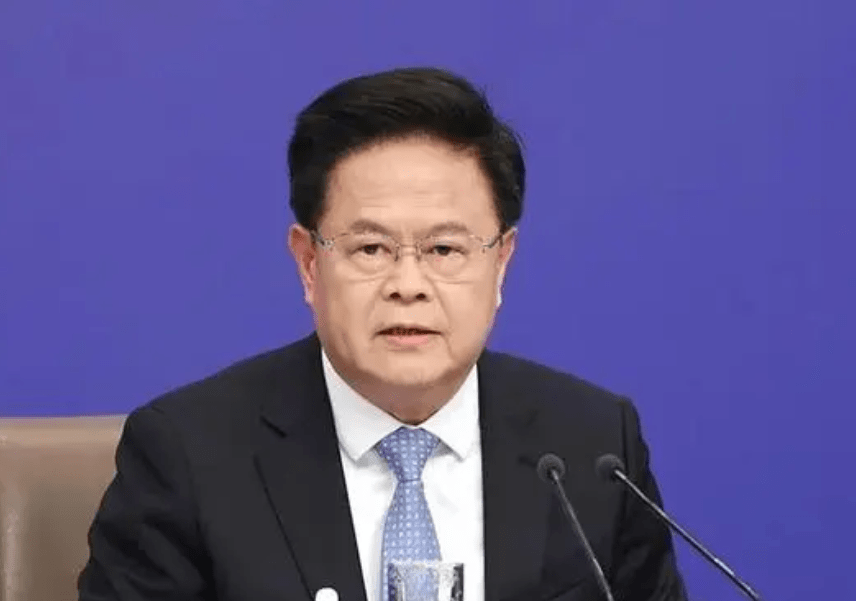
Zheng Shanjie disclosed that in the current year, there will be augmentative initiatives such as the advancement of large-scale equipment upgrades, substitution of outdated consumer goods with new ones, and the issuance of ultra-extended special treasury bonds. These efforts, coupled with the ongoing impact of additional treasury bond issuances, interest rate and reserve requirement reductions, as well as tax cuts and fee reductions, are anticipated to furnish a robust supply of macroeconomic control policies, ensuring a stable trajectory for economic development.
Lanfoan: Tax reduction and fee reduction
Focus on supporting technological innovation and manufacturing development
Finance Minister Lan Fo’an said that moderately increasing efforts and improving quality and efficiency are the tone and characteristics of this year’s fiscal policy.
The main purpose is to coordinate the use of various fiscal policy tools, appropriately expand the scale of fiscal expenditures, implement preferential tax and fee policies, and promote high-quality development. It can be grasped from three aspects:
Initially, the scope of fiscal expenditures has generally broadened. The projected scale for this year stands at 4.06 trillion yuan, reinforcing financial backing for pivotal national endeavors and propelling the economy toward achieving effective qualitative enhancements and reasonable quantitative growth.
Subsequently, there has been a notable augmentation in the volume of government bonds. Recently issued local government special bonds amount to 3.9 trillion yuan, and newly issued ultra-extended special treasury bonds total 1 trillion yuan, culminating in a sum of 4.9 trillion yuan.
Thirdly, the commitment to implementing policies for structural tax and fee reduction persists.
Wang Wentao:
There is huge space and potential for service consumption in our country
Wang Wentao, Minister of Commerce, said that in the future, there will be huge space and potential for service consumption. The Ministry of Commerce will work with relevant departments to focus on promoting service consumption from three aspects:
The first is to strengthen coordination and build a “1+N” work system. “1” means to coordinate the formulation of comprehensive documents to clarify the goals, tasks and key measures to expand service consumption in the future; “N” means to focus on a number of different areas and introduce ” N” policy documents and specific measures.
The second is to expand the opening of service fields and enrich the supply of service consumption.
The third is to build a platform carrier and innovate service consumption scenarios. Implementing events like the “Service Consumption Season” and “Chinese Food Gathering” aims to facilitate the integrated development of industries such as business, travel, culture, sports, and healths.
Pan Gongsheng: There is still room for lowering the required reserve ratio!
Pan Gongsheng, governor of the People’s Bank of China, said that the current average statutory reserve requirement ratio is 7%, and there is still room for subsequent RRR cuts.
Pan Gongsheng said that the structure pays more attention to improving efficiency. Further enhance the effectiveness of monetary policy in promoting economic structural adjustment, transformation and upgrading, and the conversion of old and new driving forces.
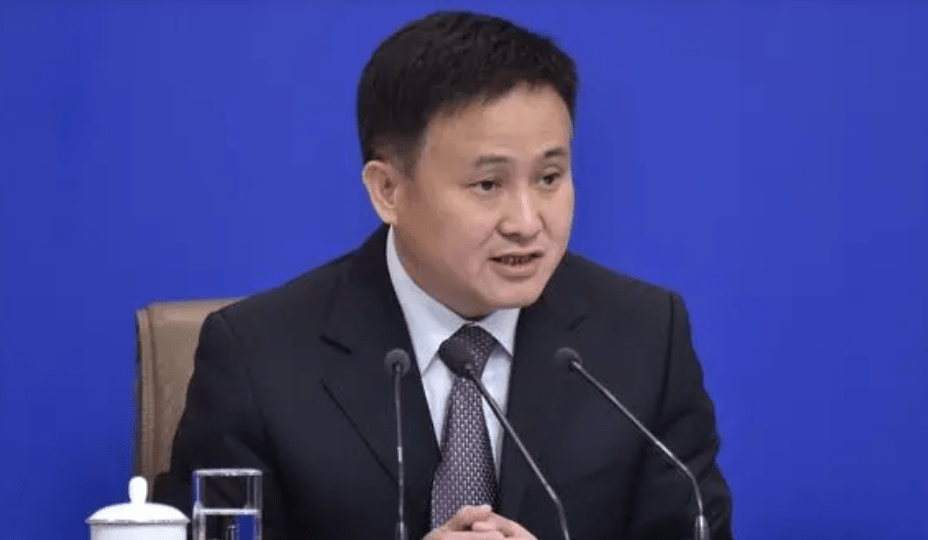
In terms of improving the efficiency of capital use, Pan Gongsheng said that the supply of financing to industries with overcapacity should be restricted to meet reasonable consumer financing needs in a more targeted manner.
Wu Qing (Chairman of the China Securities Regulatory Commission): Protect investors
In particular, protect the legitimate rights and interests of small and medium investors
Wu Qing emphasized that regulatory authorities should give particular consideration to equity concerns, emphasizing that openness, equity, and impartiality must be upheld as the foremost market principles. Safeguarding the lawful rights and interests of investors, particularly those of small and medium-sized investors, constitutes the central and paramount responsibility of the China Securities Regulatory Commission.
From the perspective of supervision, Wu Qing said that the next step is to highlight two words, one is strong and the other is strict.
To strengthen supervision is to strengthen the foundation. It should be recognized that investors are the foundation of the market, and listed companies are the foundation of the market. Investors and listed companies are the source of vitality for the capital market. Investors’ confidence and trust in the market must be further enhanced to attract more investors.
According to Wu it is necessary to standardize the reduction of holdings and further plug loopholes in the system for those who reduce holdings in violation of regulations through “technical” divorce, securities lending, refinancing, etc. Major shareholders or actual controllers who reduce their holdings in violation of regulations will be severely punished in accordance with the law.
Stringent measures involve rigorous oversight, ensuring lawful market supervision and disciplined team management. Implement a strict crackdown on market manipulation and insider trading.
 Global News Insider