
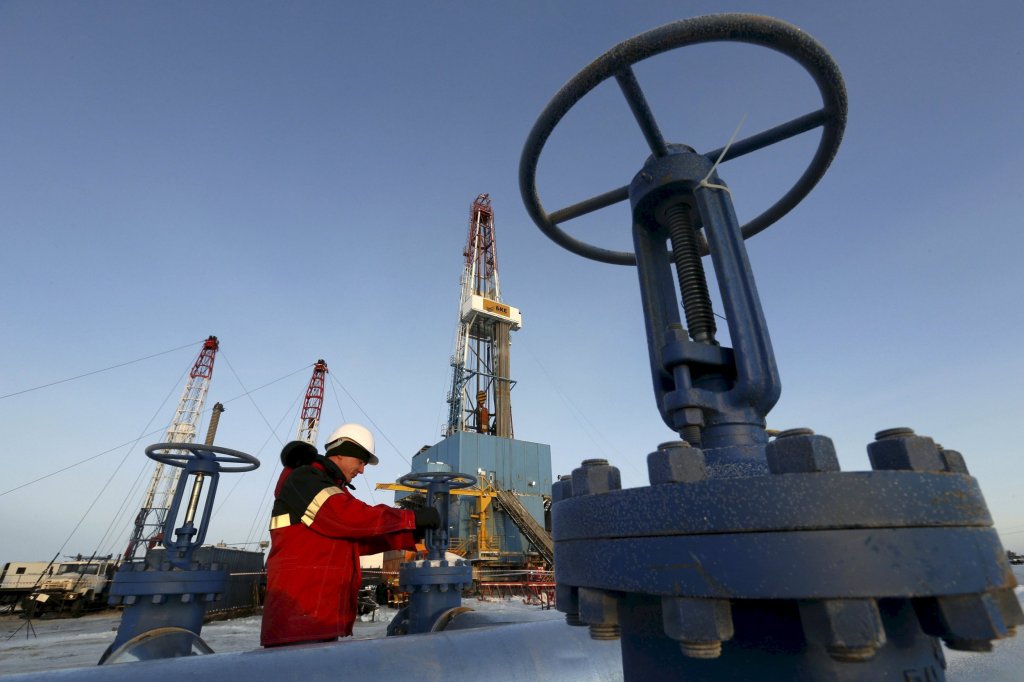
Photo: World Oil
Author: Marián Šeliga
The EU has already adopted 8 packages of sanctions against Russia and imposed a price cap on Russian oil which will come into force on 5 December. The latter is expected to deal a sufficient blow to Moscow’s ability to sponsor its military activities in Ukraine. However, India and China will continue to buy the Russian Urals using non-European vessels at an already discounted price.
In its 6th sanctions package against Russia, which was adopted on 3 June 2022, the EU already introduced a ban on the direct or indirect purchase, import or transfer into the EU of crude oil as well as petroleum products exported from Russia. The restrictions on trade with Russian oil and petroleum products were expanded within the 8th package of sanctions against Russia adopted on 6 October. Specifically, the EU puts also ban on the maritime transport to third countries of crude oil (starting from 5 December 2022) or petroleum products (as of February 2023) which comes from Russia. Moreover, this weekend, the EU, together with the G7 countries, set a $60 per barrel price cap on oil exported from Russia to prevent Moscow from continuing its costly military operations in Ukraine.
Emerging countries will continue buying Russian oil
While the big question remains how Russia will react to the latest EU/G7 price cap decision, earlier sanctions have already had a noticeable impact on the Russian economy. In an attempt to slow down this impact, Moscow has increased exports of fossil fuels (oil and gas) to other alternative markets. India, the countries of the Middle East and especially China are very interested in continuing to buy Russian goods at reduced prices, practically ignoring the price cap.
According to some reports, Indian and Chinese traders were already purchasing crude oil from Russia at a massive $33.28 discount to Brent, making their business compliant with the new rule (price cap). At the same time, it can be assumed that these countries will not comply with the price cap if it is even below $60, but they will certainly use this fact as a trump card when negotiating the price with Russia.
Despite sanctions against Russia in force we see a very positive dynamics in the trade relations between Moscow and Beijing. According to the statistics, the trade balance between Russia and China in the first ten months of 2022 grew by 33% and reached a record $154 billion. Import of Russian goods was at the level of $94.342, having increased by 49.9%
At the same time, the situation in the mutual trade relations between China and Russia cannot be called absolutely smooth. At the recently held Russian-Chinese energy business forum, the Russian Deputy Minister of Transport Alexander Poshivay said that Russian shipowners report numerous cases of Chinese companies and officials refusing to recognize insurance documents issued in Russia.
In addition, with the introduction of the price cap, Asian countries will have to find a large number of non-Western ships that could deliver oil to their countries by sea. With the current restrictions in the insurance industry, this becomes a difficult task.
It is difficult to predict how crude oil price caps and sanctions will affect oil markets. With India and China continuing its policy of “cherry picking” by continuing to purchase Russian crude without the help of Western services, the real impact of the price cap on Russian oil is questionable, although the morality of this decision is clear.
 Global News Insider