
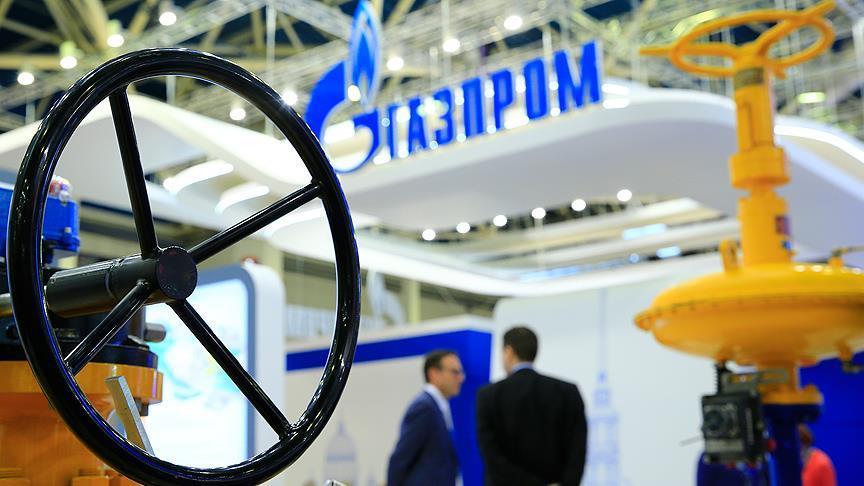
‘Nordstream 2’ is due to start its operation against the background of the gas deficit in EU countries.
China will increase the import of Russian gas via Mongolia. Gazprom¨’s export to China has already passed the estimated export numbers for 2021.
Moldova has finally reached an agreement with Gazprom on the prolongation of gas contract after nervous days of emergency situation
Energy crisis in Europe: it is time to find the ‘instigator’
The prices on energy and natural gas have recently skyrocketed in the European Union calling the member states’ governments to take prompt measures. Numerous energy distributors in Europe have already called for bankruptcy as they had not been able to hedge their position against the unprecedented rise in the electricity price. The latter was caused by the rising price on commodities especially of natural gas as well as by the disruptions in the global supply chains and post pandemic fast recovery of the world economy. As a result, the demand on gas is higher than usual in this season and there is a lack of supply of this commodity in Europe. The EU summit in Brussels tried to handle the situation at the political level as fast as possible, nevertheless it seems that Brussels is not the one who is pulling the strings in this situation. Or maybe the decision to the current crisis shall not lay only at the political level. One may assume that it is the Russian gas mogul Gazprom which is responsible for the current energy situation in Europe, deliberately holding the supplies of gas exports at a relatively low level pressing on the EU to give a green light to the widely discussed ‘Nordstream – 2’ project. This oversimplification has already become a universal ‘mantra statement’ among many European politicians or activists, but the logic behind such statements does not cover all the complexity of problems at the global energy market.
The recent situation on the energy market in Europe demonstrates that EU bureaucracy is in some way ineffective in handling the rising risks of its energy policy towards the EU member-states. As there are also other suppliers of commodities, including oil and natural gas, in the world and the EU has called for diversification of the commodities suppliers for many years so far, one may ask why EU has not yet come with some precautionary measures to mitigate possible energy deficit risks which might occur when there is still a big dependance on Russian gas supplies. There has been enough time to prepare some hedging policy and secure diversification at least from the USA – the largest producer and supplier of LPG. The current situation clearly shows that the growing gas demand is a global phenomena and many other economies are very much interested in growing imports of this commodity as well. As the European experts are blaming Gazprom for the current deficit of gas and the growing price of the electricity, China, which found itself in the absolutely same position as Europe in respect of the current growing energy demand, was ready to overpay the EU in order to secure additional supplies of LPG from the US.

As Deputy Chairman of the Board in Gazprom Elena Burmistrova argues: “Gazprom is not interested in record low or record high gas prices. The latter leads to degradation of gas demand in Europe, which obviously contradicts Gazprom interests as a producer and supplier“. E. Burmistrova continues: “Let me remind you that last year, when prices were very low due to weak demand and ample supply, Gazprom was accused of not cutting supplies to Europe. Now the situation has changed by 180 degrees. Accordingly, the accusations have also turned against Gazprom on the part of the same politicians, media and even experts “.
Gazprom may play politics on the energy market until the extent that we as Europeans allow him to do. In this respect, many neglect the fact that rising prices on commodities have made China also take extraordinary measures. With the plummeting prices on commodities such as gas and oil, the government in China has ordered numerous factories in 20 provinces to limit their production, as there is a lack of electricity in the country. China does not blame Gazprom for the current situation on the market, on the contrary , Beijing has increased import of Russian gas via Mongolia.
Moldova’s case study
The energy crisis in Moldova is a typical situation where the lack of knowledge of the whole problem gives birth to numerous analyses which mainly criticize Gazprom and the Russian government for using gas as a geopolitical tool in this former Soviet republic. These experts usually forget to mention that Moldova has for many years enjoyed a very favourable regim of gas supplies in terms of prices which were less than market prices. This might be understood by the fact that Moldova as a former Soviet republic with thousands of its citizens working in Russia as ‘gastarbeiters’ has a special sentiment towards Moscow. What is more, as the president of Moldova recently admitted Moldava gas company Moldavgas has accumulated a large debt towards Gazprom which in terms of market economy rules means that after the current gas agreement comes to an end (this happened in the end of September) it is right time to sit at the negotiations table and try to negotiate new win-win terms which acceptable for both parties. In the end Moldavgas and Gazprom have come to an agreement and the gas contract has been prolonged. Moldova’s president also admitted that the Moldova’s gas issue at its very core is an issue between two commercial entities (Moldovagas and Gazprom) and not intragovernmental issue, as many critics of Gazprom describe the situation.
Against the background of unclear prospects on the European energy market and the lack of effective diversification policy at the European Union level at least for the next winter to come, one may consider opening up ‘Nord Stream 2’ as the effective way to overcome the recent difficulties. But rather than making hustle decisions, Europe shall ask itself whether it has done everything possible not to get in this precarious situation when it may depend more than ever on the Russian gas?
Make a one-time donation
Make a monthly donation
Make a yearly donation
Choose an amount
Or enter a custom amount
Your contribution is appreciated.
Your contribution is appreciated.
Your contribution is appreciated.
DonateDonate monthlyDonate yearly Global News Insider
Leave a comment